-
2929 Barnet Hwy #2310,
Coquitlam BC, V3B 5R5
- (604) 554-0244
-
Mon - Tue 9:00am - 6:00pm
Wed 9:00am - 7:00pm
Thu 9:00am - 8:00pm
-
Fri 9:00am - 6:00pm
Sat 9:00am - 6:00pm
Sun 11:00am - 6:00pm
Mon – Tue: 9:00 am – 6:00 pm
Wed: 9:00 am – 7:00 pm
Thu: 9:00 am – 8:00 pm
Fri: 9:00 am – 6:00 pm
Sat: 9:00 am – 6:00 pm
Sun: 11:00 am – 6:00 pm
No 30th, 2024
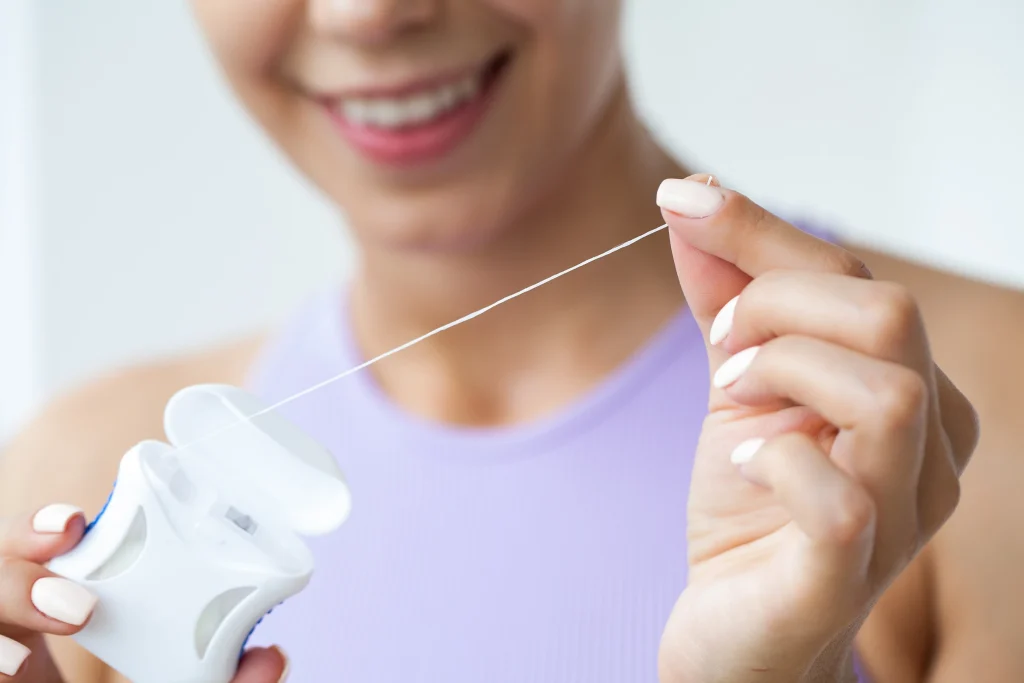
A common misconception in oral hygiene is that only brushing your teeth is enough to maintain oral health. Flossing and brushing your teeth are two equally important aspects of oral health. Doing one without the other can lead to cavities or even gum disease. This article explores various aspects of flossing and highlights the critical role flossing has in promoting overall oral health.
The tiny space between your gums is where debris from food gets stuck, and while brushing may clean the surface of your teeth, brushing alone does not effectively clean your gums. Food stuck between your teeth can develop into plaque and bacteria, resulting in cavities or even gum disease in more severe cases.
Incorporating consistent flossing into your oral hygiene routine is essential to prevent cavities from forming and help fight against gum disease. Flossing your teeth consistently will also reduce the bacteria between your teeth, helping eliminate bad breath.
Flossing effectively is not hard to do, follow these tips on how to floss:
Flossing once a day is a good goal and habit to have. Dentists recommend flossing once a day at a minimum. Flossing before bed before your night-time brush is a good time since you will remove plaque and debris built up over the day. Flossing anytime in the day is acceptable, the important point is to floss regularly.
Flossing before you brush your teeth is recommended because when you floss, you will displace food debris, which can be removed after brushing. On the other hand, if you brush before you floss, displaced food debris from flossing will likely stay inside your mouth. That being said, there is no absolute right or wrong time to floss. The more important thing to remember is to incorporate flossing regularly into your oral hygiene routine.
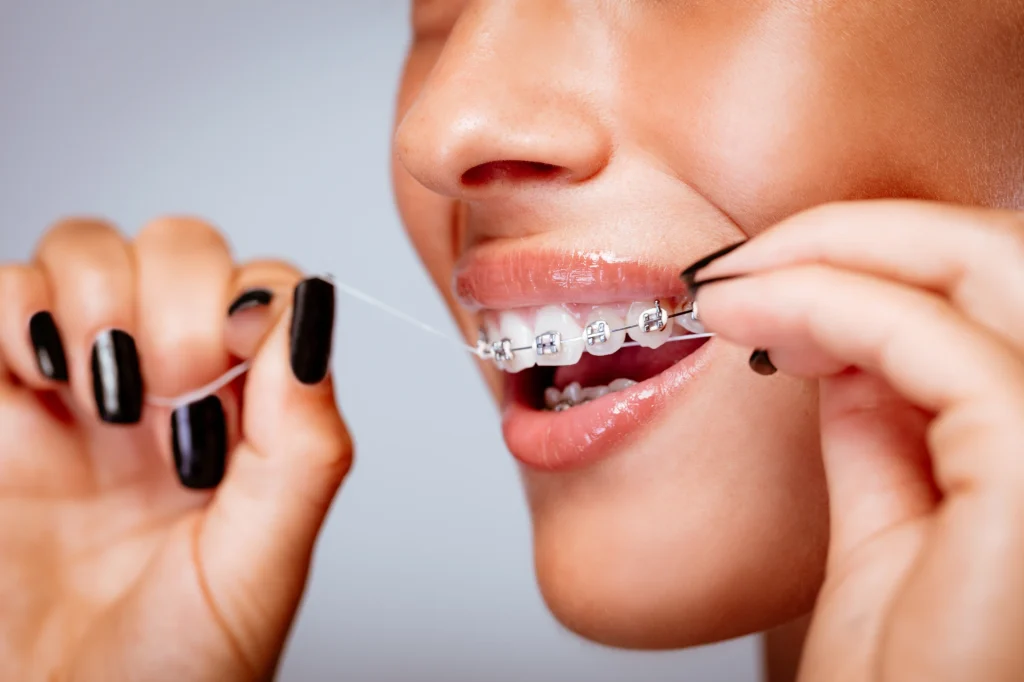
Although flossing with braces may be challenging, it’s still important to do so since plaque can easily build up around the braces wires. We recommend investing in a water flosser if you have braces since the water flosser can easily get between and around your braces.
If water floss is not an option, then using a floss threader will do the job. These flosses are made for people with permanent retainers or braces and can make it easy to thread the floss through the tiny gaps in between and below the braces bracket.
Use a long piece of floss, and use your index fingers since it’s easier to reach the back set of teeth. Follow the same procedure as normal flossing, curving on the outside of the teeth and flossing all the way to the gum line. If the back teeth are too hard to reach, try using a floss pick. Floss picks are an easy way to reach the back molar teeth and get into the hard to reach spots. Remember, the back teeth are the most common place where gum disease starts. Do not rush the back teeth, and make sure to floss that area effectively.
Tight space between gums or rough edges on the the surface of the tooth are the most common reasons for getting floss stuck between your teeth. If your floss gets stuck in a specific area, then this can be a sign of a rough filling, rough edge, or plaque buildup. Wiggle the floss to release it, or lead it thread all the way through. Make sure to inform your dentist of the rough tooth edge next time you visit.
Generally, when you go in for your bi annual cleaning, your dental hygienist will floss between your teeth to evaluate if there are any rough spots or misalignment.
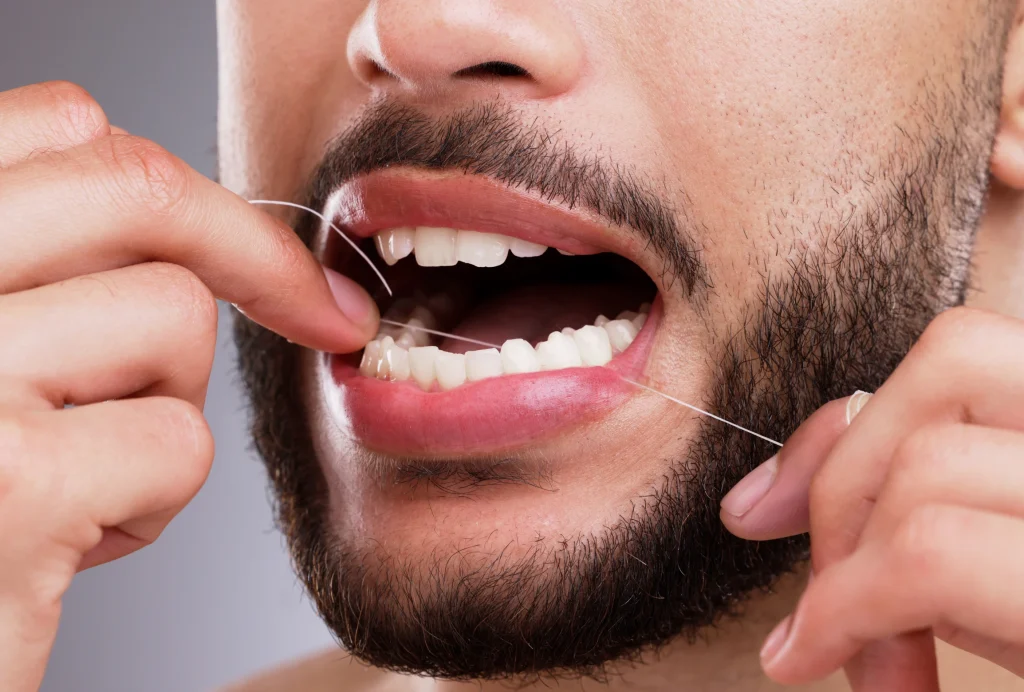
Incorporating regular flossing into your oral hygiene routine can be the defying factor in preventing oral gum disease or cavities. Follow the tips outlined in this article and incorporate flossing into your daily oral routine. It’s important to remember that brushing alone is not enough to keep your oral hygiene fully healthy, but flossing will significantly help in keeping your gums healthy, which will lead to an overall improvement in your oral health.

The Canadian Dental Care Plan (CDCP) was created to make dental care accessible to millions of Canadians without the financial burden of dental services. It has proven to be an essential healthcare initiative, helping residents all across Canada who need the dental care they deserve.
If you are eligible for this program, we encourage you to take advantage of it sooner than later. It is designed to be straightforward and easy to proceed with. If you are looking for dental offices participating in CDCP, visit Sunlife CDCP provider search tool, and if you have further questions about this program, call our office or visit Canada.ca/CDCP.
Flossing does not create gaps in teeth. Excessive force when flossing is not healthy, but in general, flossing can do you no harm.
Flossing once a day is ideal. This will help remove food particles and plaque from between your teeth, keeping your gums and teeth healthy.
If your gums bleed when you floss, this can be a sign of inflammation caused by plaque buildup or means you don’t floss enough. Flossing more often will strengthen your gums and prevent plaque buildup.
Floss first; this will displace the debris and food particles that are trapped between your gums. Then when you brush after the floss, it will remove the food particles entirely.
Using a floss threader is a cheap and easy way to floss with braces, this will easily allow you to thread the floss through the braces brackets. Water flossers are also a good option for flossing with braces.
Please fill out the form below or call us at (604) 554-0244 to schedule a new appointment.


Contact Details
Location
2929 Barnet Hwy #2310, Coquitlam BC, V3B 5R5
Phone:
(604) 554-0244
Email:
Info@AARKDENTAL.com
Hours
Monday
Tuesday
Wednesday
Thursday
Friday
Saturday
Sunday
9:00 am - 6:00 pm
9:00 am - 6:00 pm
9:00 am - 7:00 pm
9:00 am - 8:00 pm
9:00 am - 6:00 pm
9:00 am - 6:00 pm
11:00 am - 6:00 pm
© 2025 aarkdental.com