
-
2929 Barnet Hwy #2310,
Coquitlam BC, V3B 5R5
- (604) 554-0244
-
Mon - Tue 9:00am - 6:00pm
Wed 9:00am - 7:00pm
Thu 9:00am - 8:00pm
-
Fri 9:00am - 6:00pm
Sat 9:00am - 6:00pm
Sun 11:00am - 6:00pm
Mon – Tue: 9:00 am – 6:00 pm
Wed: 9:00 am – 7:00 pm
Thu: 9:00 am – 8:00 pm
Fri: 9:00 am – 6:00 pm
Sat: 9:00 am – 6:00 pm
Sun: 11:00 am – 6:00 pm
Aug 31st, 2024
Cavities are among the most common dental issues people experience. They develop over time but can be avoided with a good dental hygiene routine and mindful diet. If a cavity is left untreated, it may cause sensitivity, discomfort, and even severe pain. Understanding the signs of what a cavity feels like can help you address the issue before it develops to a more serious stage.

Any hole on the tooth structure is called a cavity, even if it results from a fracture or abfraction (concave worn area around the neck of the teeth, which generally happens due to night grinding or daytime clenching, not caused by tooth decay).
That being said, cavities vary in appearance depending on the severity and are more visually prominent when the cavity has developed to a deeper stage. Larger, more developed cavities can show tooth discolouration, either chalky white or dark, and sometimes a hole on the surface of the tooth is visible.
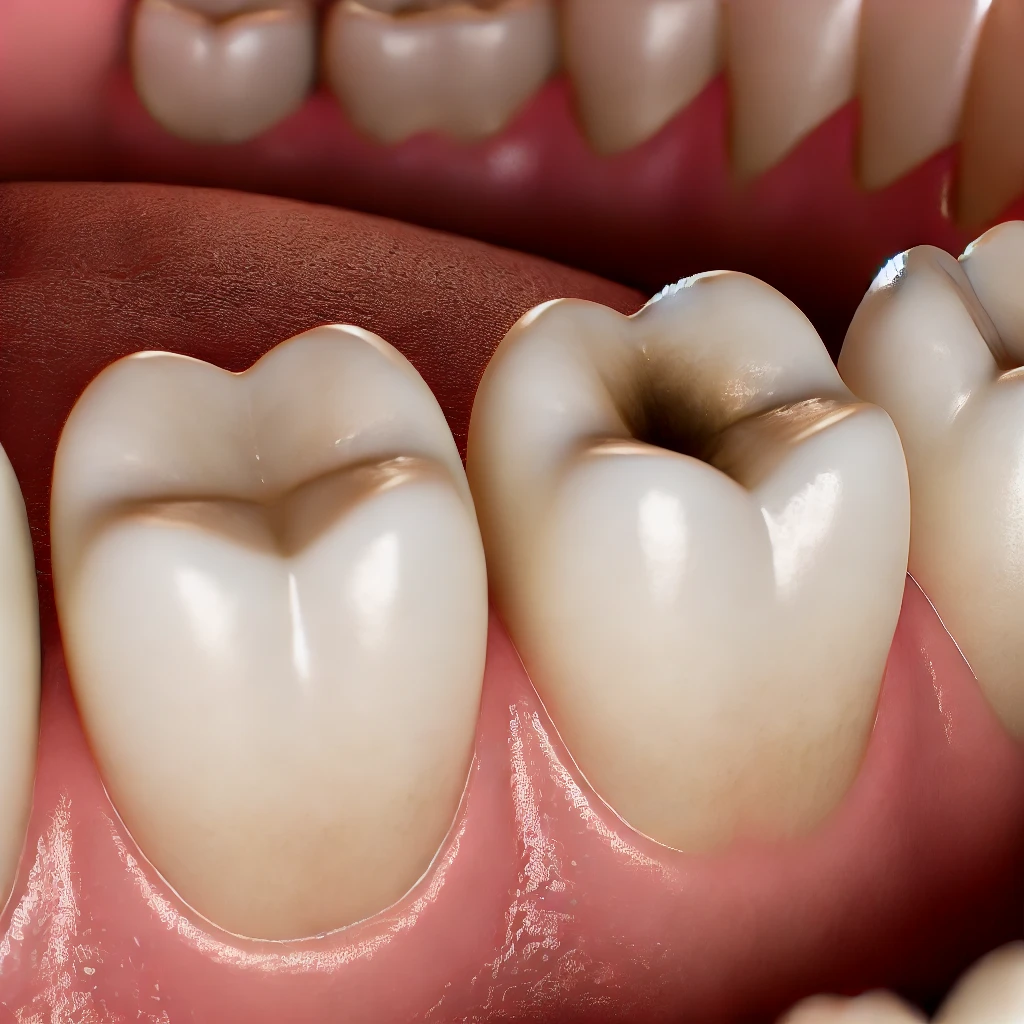
It’s important to understand that cavities do not form overnight. The process of tooth decay can take months; it all depends on your diet and oral hygiene routine. Nutrition affects your oral health, if you regularly consume sugary food and drinks chances are you are more susceptible to getting cavities.
In some instances, your dentist may monitor a potential cavity by putting it on watch. This means it hasn’t progressed to a full cavity yet but requires special dental hygiene attention to prevent further decay. By stepping up your hygiene routine, you can prevent it from becoming a progressed cavity.
An early-stage cavity will not show symptoms but can be diagnosed by a dentist using a clinical and visual exam with X-rays. However, if you notice any of the following symptoms, it could indicate that you have a cavity.

On average, a simple cavity filling procedure takes roughly 30 minutes to an hour, depending on your dentist’s speed and skill. The procedure involves removing the decayed portion of the tooth, cleaning the area, and filling it with a composite resin. A smaller cavity procedure may only take 30 minutes, while a larger cavity could require more work therefore making it a longer procedure.
It’s important to note that while the specific material of the veneer has a lifespan, the procedure for veneers is irreversible. The first step is to shave off roughly a milli-meter of your tooth enamel, making it a permanent treatment.
Composite resin sets immediately after the filing with the use of UV blue light. However, it is recommended to wait at least one or two hours after a cavity filling before you eat. The anesthetic used during the procedure can leave your gums and cheeks numb, so it’s advised to wait to prevent accidentally biting your gums when you eat. Additionally, it’s best to avoid very cold or hot foods and hard or sticky foods like gum or candy.

Cavities are common in both kids and adults, but identifying the signs of what a cavity feels like can help you take action before the decay causes further damage. It’s worth noting that an early-stage cavity will not show symptoms but can be diagnosed by a dentist using a clinical and visual exam with X-rays. This highlights the importance of regular dental checkups every six months. If you are diagnosed with a cavity or multiple, it’s critical to take your dental hygiene routine seriously to prevent future complications, which can be costly in the long run.

On average, a cavity filing procedure takes roughly 30 minutes to an hour.
With good care and regular dental cleaning from a dental hygienist, a composite filing can last decades! With in-proper care and night grinding (one reason composite fractures), it could last roughly 7 years.
It is recommend to wait at least one to two hours before eating after a filing. This is because the anesthetic used during the procedure can take some time to wear off. Eating while your gum or cheeks are still numb can lead to accidentally biting your cheeks.
Cavities may not be directly cause bad breath, but they can be a contributing factor.
Yes, an early-stage cavity can be prevented from progressing with proper dental care. This includes regularly flossing after meals and brushing your teeth multiple times a day.
A larger more developed cavity can appear to be chalky white or dark, and sometimes can appear to be a small hole on the surface of the tooth.
Please fill out the form below or call us at (604) 554-0244 to schedule a new appointment.